

Black
mental health
Maternal
SUMMIT 2025
A FREE virtual gathering designed to center the voices of Black mothers and providers while addressing the systemic, familial, and traumatic factors contributing to maternal mental health disparities and maternal mortality.
DECEMBER 10, 2025 | 10:00 - 2:00 PM PST | VIRTUAL
about the summit

The Black Maternal Mental Health Summit will convene providers, mothers, and advocates from across the country for a national virtual gathering on maternal mental health. Hosted by the Black Girls Mental Health Foundation and The Amani Project, the Summit will create space for open dialogue, culturally responsive expertise, and actionable strategies to address systemic barriers and improve outcomes for Black birthing individuals.
Why This Summit Matters
The Black Maternal Mental Health Summit brings together Black birthing people, mental health professionals, and birth workers for a powerful day of learning, connection, and collective action. Hosted by maternal mental health professionals, this national virtual gathering centers culturally responsive care, lived experience, and system-level change.
Centering Our Conversations
This year’s summit is a call to honor the full complexity of Black maternal health, from the systemic forces that shape care to the personal and communal journeys of healing. The proposals selected reflect a powerful range of stories, strategies, and solutions led by clinicians, advocates, and mothers who carry lived expertise. Together, we are creating a space that centers truth, accountability, and the kind of collective transformation our communities deserve.
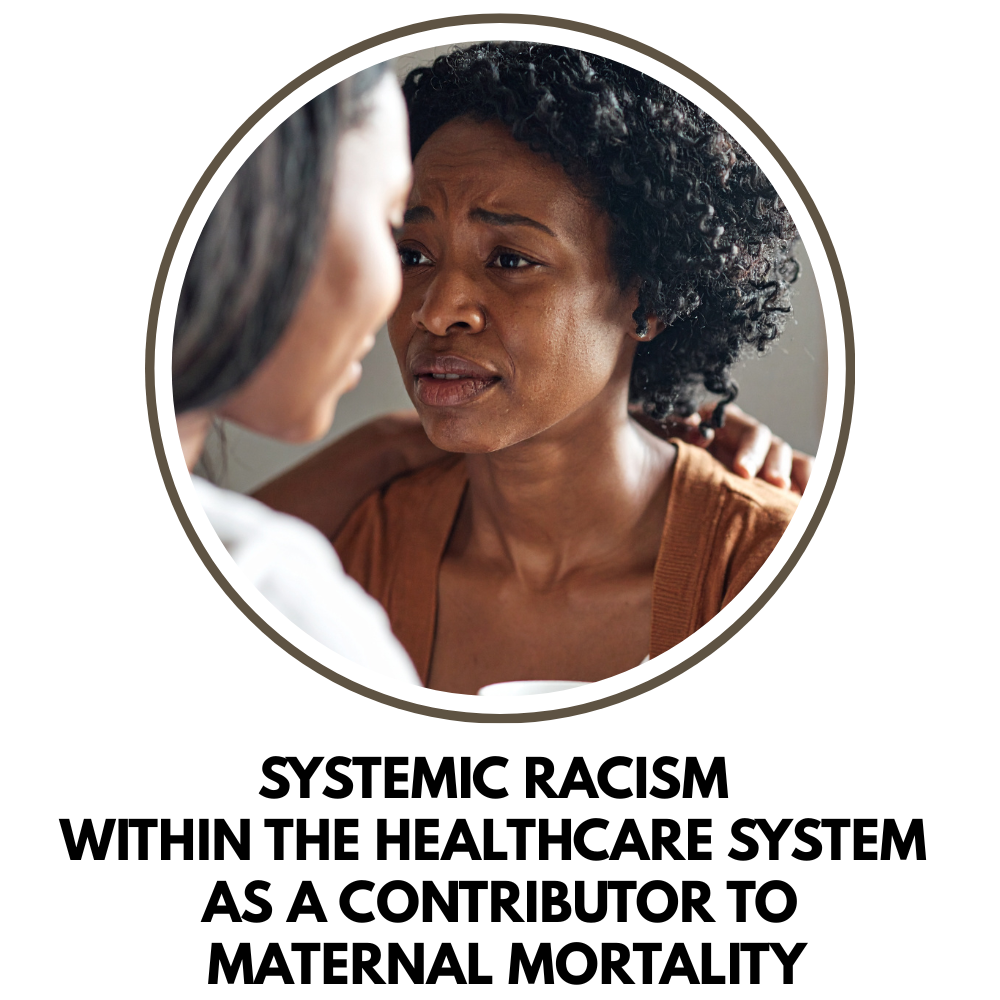
This theme explores how institutional bias and inequitable care structures shape Black maternal health outcomes and identifies advocacy strategies for systemic change.

This theme examines how family roles, intergenerational trauma, and cultural beliefs shaped by structural inequities influence maternal mental health, and it explores approaches to strengthen family and community support.

This theme addresses how unhealed or unrecognized trauma affects pregnancy and postpartum experiences and highlights trauma-informed, culturally responsive strategies for healing and resilience.
Featured Speakers
-
![]()
Juan Solis
San Bernardino County Children's Network
-
![]()
Dr. Camille Jones
Chartum Jones Therapeutic
Consulting -
![]()
Taylor Bass
The Wellness
Center -
![]()
Mayowa Obasaju
Connected Roots Counseling and Consulting
-
![]()
Dr. Areis Lurry
Providence Cedar Sinai Tarzana Medical Center
-
![]()
Tahara DeBarrows
A Journey to Healing
Counseling, PLLC -
![]()
Cimone Holt
MentalBlkMom,
Inc. -
![]()
Brittany Lewis
Bella Birthing
Wellness -
![]()
Dr. Isoken Adodo
Ariad Psychological
Services -
![]()
Dr. Nytasia Hicks
Empathium
AI -
![]()
Andrea Jordan Goubeaux
Empathium AI
-
![]()
Summer McBride
The Village Legacy
AAIMM CAT












event agenda
Provider’s Track
-
OPENING & WELCOME
Joint Session -
Can You See Us?: The Historical Erasure & Invisibility of Black Girls & Women
Taylor Bass
This session aligns with the theme by naming invisibility and misinterpretation of Black women’s distress as a direct expression of systemic racism in healthcare — one of the root mechanisms contributing to maternal morbidity and mortality. The erasure of Black women’s emotional pain, safety concerns, and trauma responses is not simply interpersonal bias; it is structurally produced through racialized expectations of strength, compliance, and endurance. -
BREAK/TRANSITION
On-demand session -
Strengthening Families Through Father Engagement: Integrating Paternal Support in Maternal Health Services
Juan Solis
This session aligns with the theme “Family and Support Systems in Context” by emphasizing the importance of fathers as integral members of the family support network in maternal and child health. The Inland Empire Father Involvement Coalition (IEFIC) recognizes that family well-being is strengthened when maternal health services intentionally include and empower fathers as partners in care. By situating father engagement within the broader family system, this session explores how inclusive, culturally responsive approaches can enhance maternal mental health, strengthen co-parenting relationships, and improve outcomes for mothers, fathers, and babies. -
BREAK/TRANSITION
On-demand session -
Affirming the Wisdom, Agency, and Healing of Black Mamas and Birthing Folks
Dr. Mayowa Obasaju
This sessions offers participants a framework, specific interventions, and greater clarity on working with Black mamas and birthing people in the context of experiences of oppression and multiple forms of trauma. This presentation will highlight clinical practices to affirm the mental health, healing, and agency of Black mamas and birthing people across intersectional social identities. -
BREAK/TRANSITION
On-demand session -
Choosing Right, Birthing Light: The Science of Partner Choice in Black Maternal Wellness
Dr. Camille Adams Jones
Discover how emotionally safe relationships improve maternal health outcomes. Using Afrocentric and trauma-informed frameworks, Dr. Jones reframes partner choice as a public health issue. -
BREAK/TRANSITION
On-demand session -
Empathium AI: Strengthening Trauma-Informed Communication for Maternal Health Providers
Dr. Nytasia Hicks with Andrea Jordan Goubeaux
Empathium AI is a trauma-informed and culturally responsive training platform designed to help clinicians practice these complex interactions in a realistic and supportive environment. Through AI-driven role play, Empathium recreates common maternal health scenarios, including trauma activation, distress, mistrust, and communication breakdowns. -
JOINT CLOSING PLENARY
Reimagining Collective Healing: Building Sustainable Black Maternal Mental Health Ecosystems
Co-hosted by BGMHF × Amani Project
Panel + Q&A
Mother’s Track
-
OPENING & WELCOME
Joint Session -
Lower the Rim: A Call to Action for Equity in Black Maternal Healthcare
Brittany Lewis
This session will equip healthcare providers with tools to recognize early warning signs of maternal complications while examining the structural barriers that impede equitable care. Using the concept of equity versus equality, participants will engage in a thought-provoking analogy: expecting a 6-foot-2-inch woman and a 2-foot-6-inch woman to score the same points on a standard basketball goal. This comparison underscores that women of color often begin at a systemic disadvantage and require targeted support, not identical treatment, to achieve safe outcomes. By confronting racial bias, enhancing communication, and ensuring timely intervention, healthcare professionals can become active agents of change.
-
BREAK/TRANSITION
On-demand session -
Between Two Worlds: Family Systems, Cultural Beliefs, and the Unspoken Realities of Black Motherhood
Dr. Isoken Adodo
In this presentation, she will explore how cultural beliefs, family systems, and intergenerational narratives influence identity development and emotional well-being for Black mothers. The session also offers strategies for providing culturally responsive and healing-centered support. -
BREAK/TRANSITION
On-demand session -
Breakthrough Strategies for Postpartum Depression: A CBT Approach to a Meaningful Recovery
Tahara DeBarrows, LMFT
This training offers CBT tools for treating postpartum depression in culturally responsive ways. Learn how to apply evidence-based interventions that accelerate healing. -
BREAK/TRANSITION
On-demand session -
The Room Ain’t Always Safe: Real Talk on Mental Health and Black Birthing
Dr. Areis Lurry with Summer McBride
This session examines how racial bias, communication gaps, and cultural misunderstanding create emotionally unsafe spaces for Black birthing people, especially when discussing mental health. Drawing from real hospital encounters, community-based support work, and lived experience, Dr. Lurry and Summer McBride illuminate the ways systemic inequities shape the birthing environment and influence patient outcomes.Through storytelling, reflection, and practical tools, the presenters offer strategies to help participants recognize bias, build emotional safety, and support birthing people with dignity and cultural humility. Their interdisciplinary lens, blending social work practice with full-spectrum birth support, demonstrates how collaborative, culturally grounded care can transform the birthing experience.
-
BREAK/TRANSITION
On-demand session -
Rebuilding the Village: Navigating Family Trauma and Creating Communities of Healing
Cimone HoltThis session aligns with the theme “Family and Support Systems in Context” by taking an honest look at what it means to rebuild connection when family structures have been fractured by intergenerational trauma.
-
JOINT CLOSING PLENARY
Reimagining Collective Healing: Building Sustainable Black Maternal Mental Health Ecosystems
Co-hosted by BGMHF × Amani Project
Panel + Q&A
On-demand Sessions
-
Alyssa Bedard
This session directly aligns with the theme by examining how systemic racism, institutional bias, and inequitable care structures produce the disproportionate maternal mortality rates experienced by Black birthing people. Drawing from both doula practice and organizational DEIJB leadership, the session highlights how culturally responsive doula care reveals patterns of dismissal, harm, and exclusion embedded in healthcare systems. By positioning doulas as advocates and narrative holders, the session demonstrates how lived experiences at the bedside can inform larger institutional accountability efforts. Participants will explore how integrating equity-centered doula practices, amplifying Black birthing voices in decision-making spaces, and redesigning policies through justice-centered frameworks can shift power and transform outcomes. Rather than framing Black maternal health as an individual issue or one requiring isolated interventions, the session emphasizes systemic responsibility and offers concrete strategies for addressing racialized disparities at both interpersonal and structural levels. -
Saketa Polk
This session aligns with the theme “Trauma and Healing in Maternal Mental Health” by addressing how unhealed or unrecognized trauma influences every stage of the perinatal experience starting from conception through postpartum recovery. It explores the intersection of neuroscience, cultural identity, and lived experience to illuminate how trauma impacts emotional safety, attachment, and self-perception in motherhood. By integrating trauma-informed and culturally responsive frameworks, this session empowers providers to recognize signs of dysregulation, respond with empathy, and restore safety in clinical encounters. Participants will learn not only to treat symptoms but to foster resilience, connection, and generational healing. Through interactive storytelling and reflection, attendees will witness how compassion and cultural humility transform care from transactional to transformational—aligning directly with the conference’s mission to promote healing, dignity, and wholeness in maternal mental health. -
Dr. Chyna Hill
It focuses on amplifying the lived experiences of Black women regarding perinatal mental health and using those insights to develop actionable strategies for more equitable care.
special thanks to our supporters
who make this possible
frequently asked questions

-
You can register through the Zoom Events portal here. Once registered, you’ll receive a confirmation email with event details and your personal access link.
-
No — the Summit is free to attend, thanks to the generous support of our partners and sponsors.
-
Yes! You’re free to move between the Providers and Mothers Tracks throughout the day. Each session will be listed in the Zoom Events hub for easy navigation.
-
Yes. In addition to the live sessions, four on-demand presentations will be available for extended learning after the Summit.
-
Yes. The Summit will include interactive chat, live polls, and breakout moments where attendees can connect, reflect, and exchange insights.
-
For general inquiries, please email info@bgmhfoundation.org. A member of our team will respond within 1–2 business days.
Don’t Miss This Moment
Join providers, mothers, and community leaders to shape the future of Black maternal mental health.